
Renewable formulation for bioethanol production using banana stem hydrolysate and spent Baker’s yeast
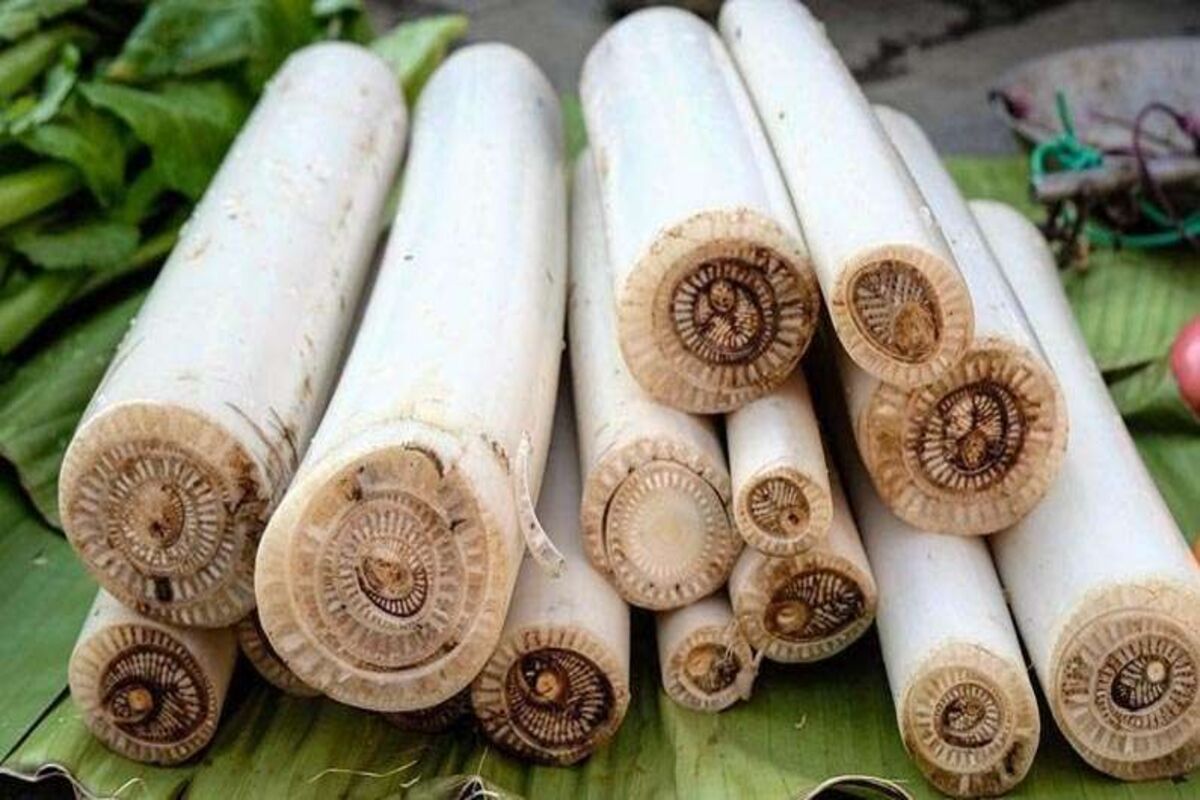
The technology lowers production costs through waste‑based feedstocks while reducing environmental impact. Its scalable design supports rural agro‑industries and decentralised biofuel production. By aligning with renewable energy and waste reduction policies, the solution strengthens commercial viability and sustainability positioning.
Agricultural by‑products such as banana stems are often discarded despite containing valuable cellulosic material suitable for biofuel production. Conventional bioethanol processes rely heavily on food‑based feedstocks, raising concerns regarding food security and production costs. Additionally, industrial yeast waste is frequently underutilised, contributing to disposal challenges.
The project integrates biomass hydrolysis and fermentation processes to convert banana stem residues into fermentable sugars, which are then utilised by spent baker’s yeast for ethanol production. This dual‑waste utilisation approach reduces raw material costs while improving sustainability of bioethanol manufacturing.
The innovation lies in combining two waste streams—agricultural biomass and industrial yeast—into a single efficient biofuel production system. The process enhances fermentation efficiency and promotes a circular bioeconomy model by transforming waste into energy. It also reduces reliance on edible feedstocks commonly used in conventional bioethanol production.