A Modular Rehabilitation and Assessment System
The competitive advantage of the project lies in its portable and simple design, making it easy to use across clinical, community, and home settings. Its modular and reconfigurable system allows flexibility in adapting to different rehabilitation needs and user abilities. In addition, it integrates both training and assessment within a single platform, enabling continuous practice alongside progress monitoring.
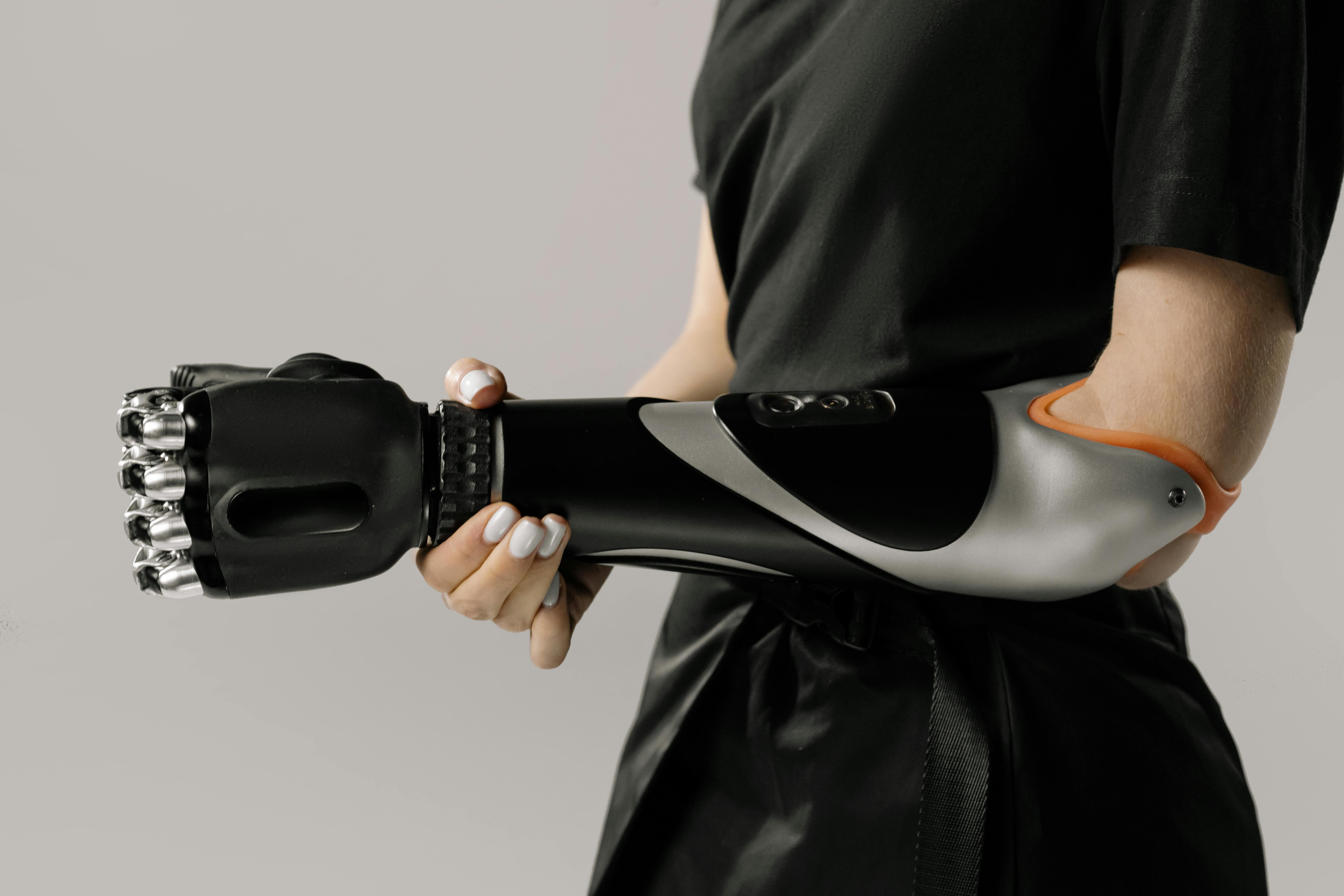
Stroke and neurological conditions often cause upper limb impairment that requires repetitive rehabilitation, but therapy is limited by time, staffing, and infrequent progress tracking. ReHAD addresses this need by providing a portable, non-motorised system that supports guided upper limb exercises and basic progress monitoring to complement therapist-led rehabilitation.
ReHAD is a non-motorised upper limb rehabilitation system that combines a simple mechanical device with interactive visual tasks to guide user-driven movements such as reaching, rotation, and grasping. It captures movement data to provide basic feedback for progress tracking, while promoting active, safe, and engaging rehabilitation in clinical, community, or home settings.
ReHAD is a portable, non-motorised upper limb rehabilitation system that uses a simple mechanical interface and visual guidance to support structured movement training for stroke and neurological patients. It enables user-driven exercises, captures movement data, and provides basic feedback for progress monitoring. Designed for clinical, community, and home use, it offers an accessible, low-risk solution that complements therapist-led rehabilitation.